
The Psychology Behind a Near Win and What It Means for Your Session
Most punters know the sting of a near miss, but fewer understand why it feels so compelling. Gambling psychology near win explains that almost-winning moment and why it can tilt a session fast. We look at how operators design around it and what you can do about it.
How the Near Win Hooks Your Brain
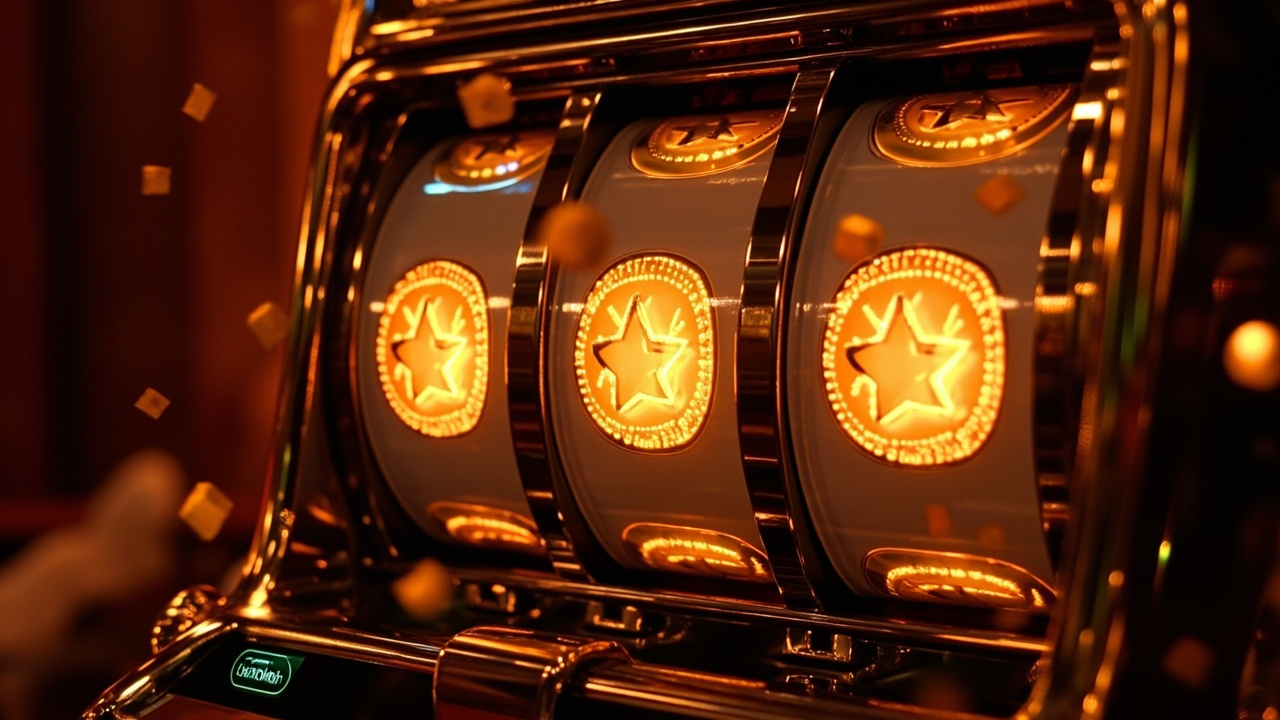
The near win is not a glitch; it is a feature of how our brains process reward. When slots or live markets deliver a close call, the brain fires similar pathways to an actual win, which can push you to chase the next spin. Karl Swanton, who has spent years trading sportsbook markets and building betting features, reckons the same tension shows up in a tight tennis match where the line calls are razor-thin. He says product teams learn to read that friction because it tells you where engagement spikes and where a player might overreach.
That is why responsible design matters as much as the feature itself. A well-built session gives you clear signals when the run is going cold, not just when it is heating up. If you want to see how a studio handles visual feedback and pacing, ellaandskysiedesigns.com shows one take on the craft behind those moments.

- Near win: a losing outcome that looks close to a win, often triggering a stronger urge to continue. Gratta e vinci and gambling addiction:
- Hot hand: the feeling that a streak is building, even when each result stays independent.
- Cooling-off cue: a visible prompt or break signal that helps a player step back.
What Operators Build and Where Players Push Back
Some operators lean into the near win with tighter animations, quicker reels, and bonus triggers that feel just out of reach. The argument from the trading desk is that these cues keep sessions lively without changing the maths underneath. A regulator or responsible-gaming analyst will counter that the same cues can blur the line between fun and pressure, especially late on a Friday arvo when you have had a few and the screen keeps whispering “one more”.
The balanced read is that both sides have a point. A near win is part of the entertainment, but it only stays healthy when the session has clear edges. For a deeper look at how scratch-style formats can tip into problem play, read more about gratta e vinci and gambling addiction risks. The takeaway for an Aussie player is simple: treat the near win as a signal to check your limits, not a reason to double down.
Matching the Psychology to Your Own Session
The smartest move is to build your session around the moments that actually matter to you. Set a time block before you log in, pick the markets or games you understand, and decide what a “good session” looks like before the first spin. If you are playing on mobile, the same rules apply: a quick check on the train into Circular Quay is not the same as an hour at the screen after work in Sydney.
Use the near win as a checkpoint, not a trigger. If you catch yourself thinking the next one is “due”, that is your cue to pause, grab a coffee, and revisit your limit. A solid operator makes that pause easy, with clear balance info and straightforward support. When the product respects your time, the psychology stays in its lane and the session stays yours.
The near win will always be part of the game, but it does not have to run the session. Treat it as information, keep your limits front of mind, and walk away while you are still ahead of your own plan. ellaandskysiedesigns.com

November 12, 2026
analisaleaming@gmail.com